
The web design landscape is evolving at an unprecedented pace. As we move through 2026, several emerging trends are reshaping how we think about digital experiences. From AI-powered adaptive interfaces to immersive 3D elements, the future of web design is both exciting and challenging.
1. AI-Powered Adaptive Interfaces
Artificial intelligence is no longer just a buzzword in web design — it's becoming a fundamental building block. In 2026, we're seeing websites that dynamically adapt their layout, content, and even color schemes based on individual user behavior and preferences.
These AI-driven interfaces analyze user patterns in real-time, adjusting navigation structures to prioritize the most relevant content. The result is a more personalized, efficient browsing experience that feels tailor-made for each visitor.
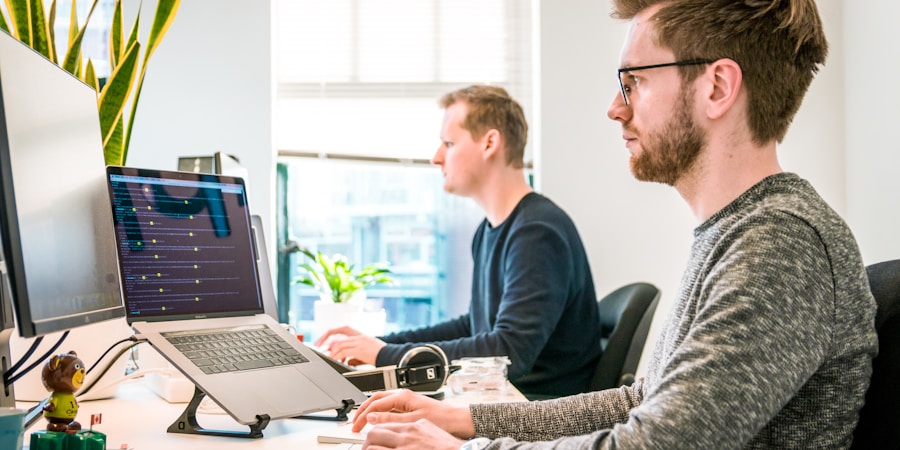
AI is transforming how we approach design decisions and user personalization.
2. Immersive 3D Experiences
With WebGL and WebGPU becoming more mature, 3D elements are transitioning from novelty to necessity. Product showcases, virtual tours, and interactive data visualizations are all benefiting from advances in web-based 3D rendering.
The key to successful 3D integration is restraint — the best implementations enhance the user experience without overwhelming it. Subtle depth effects, interactive product viewers, and three-dimensional data visualizations add value without sacrificing performance.
"The best 3D web experiences are the ones where users don't even realize they're interacting with 3D — it just feels natural."
3. Variable Fonts & Advanced Typography
Typography is experiencing a renaissance. Variable fonts allow designers to use a single font file that can smoothly transition between weights, widths, and even optical sizes. This not only improves performance but opens up creative possibilities that were previously impractical.
Key Benefits of Variable Fonts
- Reduced file sizes compared to multiple font files
- Seamless responsive typography scaling
- Animation possibilities with smooth weight transitions
- Greater creative control with fine-tuned axes
4. Sustainability-First Design
Environmental awareness is influencing web design decisions. Designers and developers are optimizing for reduced energy consumption through lighter pages, efficient code, dark mode defaults, and reduced data transfer. This trend aligns business goals with environmental responsibility.

5. Micro-Interactions & Motion Design
Thoughtful micro-interactions continue to elevate user experiences. From smooth page transitions to responsive hover effects and loading animations, subtle motion design creates a polished, premium feel that users associate with high-quality products.
The best motion design is purposeful — every animation should communicate something meaningful, whether it's feedback for an action, a state change, or a visual hierarchy cue.
Conclusion
The future of web design lies at the intersection of technology, creativity, and user-centricity. By embracing these trends thoughtfully, designers can create experiences that are not only visually stunning but genuinely useful and sustainable.
The most successful implementations will be those that enhance rather than complicate the user experience — using technology as a means to cleaner, faster, and more intuitive digital products.
Alex Morgan
Lead Designer at Lumina
Alex is a award-winning designer with over 10 years of experience in digital product design. Passionate about clean aesthetics and user-centric solutions.


